
 Tours
 Soft Adventure
 Stargaze
 Dark Sky Astro Experience
 Snowshoe
 Hiking
 Fishing
 Photography
 Activities
 Food and Drink Tours
 Weddings
 Groups
 RMNP Webcam
 Dark Sky Hub
Living at 7,500 Feet Every Day
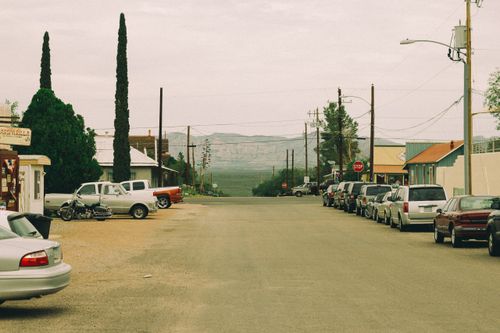
Estes Park sits at 7,522 feet above sea level. For a visitor, that is a number on a sign at the edge of town. For the people who live here, it is the setting on everything: how you sleep, how you cook dinner, how you walk up the stairs. Altitude is not a trip here. It is the address.
The first thing most newcomers notice is the air. There is simply less of it pushing down. At 7,500 feet the air holds less oxygen in every breath than it does at sea level, and the body notices before the mind does. A flight of stairs leaves you breathing harder than it should. A walk to the mailbox feels like a small workout. This is normal, and it passes, but the first week is an education in how much you took breathing for granted.
Sleep is where altitude shows up first. The body works a little harder for oxygen all night, so sleep can feel lighter while you are adjusting, with more waking and stranger dreams. The effect is strongest in the first days. Over the first week, breathing settles into a new rhythm, and over the following weeks the body adapts more deeply, making more red blood cells to carry oxygen. Most people who move here find their sleep returns to normal within a few weeks. The ones who struggle longest are usually the ones who arrived, celebrated, and tried to do too much on day one.
Exercise is the second adjustment. At this elevation, between 5,000 and 8,000 feet, exercise performance drops a little even though the body is still getting enough oxygen for ordinary life. A run feels harder. A bike ride up the hill takes longer. A hike that would be easy at sea level asks more of your lungs. Locals learn the same lesson visitors are told: slow down. The pace that feels lazy at first turns out to be the pace that gets you to the top without stopping. After a few months, the new pace becomes the normal pace, and the surprise is how strong your legs get from living on a slope.
Cooking is the adjustment nobody warns you about. Water boils at about 198 degrees at 7,500 feet, not 212 the way it does at sea level, because the air pressure is lower. That means anything cooked in boiling water cooks at a lower temperature, so pasta, potatoes, and hard boiled eggs all take longer. Rice needs more time and a little more water. Soups and stews need a lid and patience, because liquid evaporates faster up here and a pot left simmering can cook down further than you meant it to.
Baking is where altitude really makes itself known. With less air pressure, the gases in dough and batter expand more, so bread rises faster and cakes can rise too fast and then collapse. The fixes are small and become habit: a little less baking powder or baking soda than the recipe calls for, a spoonful or two of extra liquid, and an oven set 15 to 25 degrees hotter so the structure sets before it overexpands. Nobody bakes a perfect cake on the first try at 7,500 feet. The second try is usually the one that works, and by the third you stop thinking about it.
The dry air is the quietest adjustment of all. Mountain air holds little moisture, and it pulls moisture out of everything it touches. Skin gets dry. Lips crack. A glass of water by the bed and lotion on the counter become part of the routine. Thirst arrives later than it should, so the habit is to drink water before you feel like you need it, especially in winter when the heat is on and the air is driest. The same dry air is part of why the night sky is so clear here, so it is a fair trade.
The sun is the other half of that trade. There is less atmosphere above you to filter it, so the sun feels stronger here than it does at the same temperature down on the plains. Sunscreen and a hat are year round habits, not summer ones, and the glare off snow in winter can be brighter than a July afternoon. Sunglasses live by the door.
None of this is a hardship. It is a set of small adjustments, and they add up to a way of living that feels completely ordinary once you have made them. The surest sign you have adjusted is the drive down to Denver. Somewhere on the way down the canyon, the air gets thick and rich by comparison, and your lungs notice the extra oxygen the way they noticed its absence on the way up. Then you drive back up, and home feels like home again, thin air and all.
Living at 7,500 feet is not about enduring the altitude. It is about learning its habits: drink more water, cook a little longer, go a little slower, wear a hat. Do those things and the elevation stops being something you think about. It just becomes the place where you live.
Go with a guide
If you would rather go with someone who knows the trails, the sky, and the seasons, our guides lead trips in Rocky Mountain National Park and around Estes Park every day. See the guided tours and pick the one that fits your trip.
-
Posted in
Estes Park Life